

CybersecurityAwareness Month
Securing the Next 250
1st to 31st October
inFollow us on LinkedInAI-Powered Enterprise Trust, Risk, Security and Compliance Management (TRiSCM) Platform
DigitalXForce tests your security controls continuously, shows which ones fail and what each failure means for risk and compliance, and proves it to auditors and the board from one system.
TRiSCM, the category DigitalXForce defined, joins automated GRC and Extended Security Posture Management (X-SPM) in one platform. The assurance layer of the platform is Continuous Control Assurance, which includes Continuous Control Monitoring.
For a side by side view, read the DigitalXForce comparisons with GRC and IRM platforms.
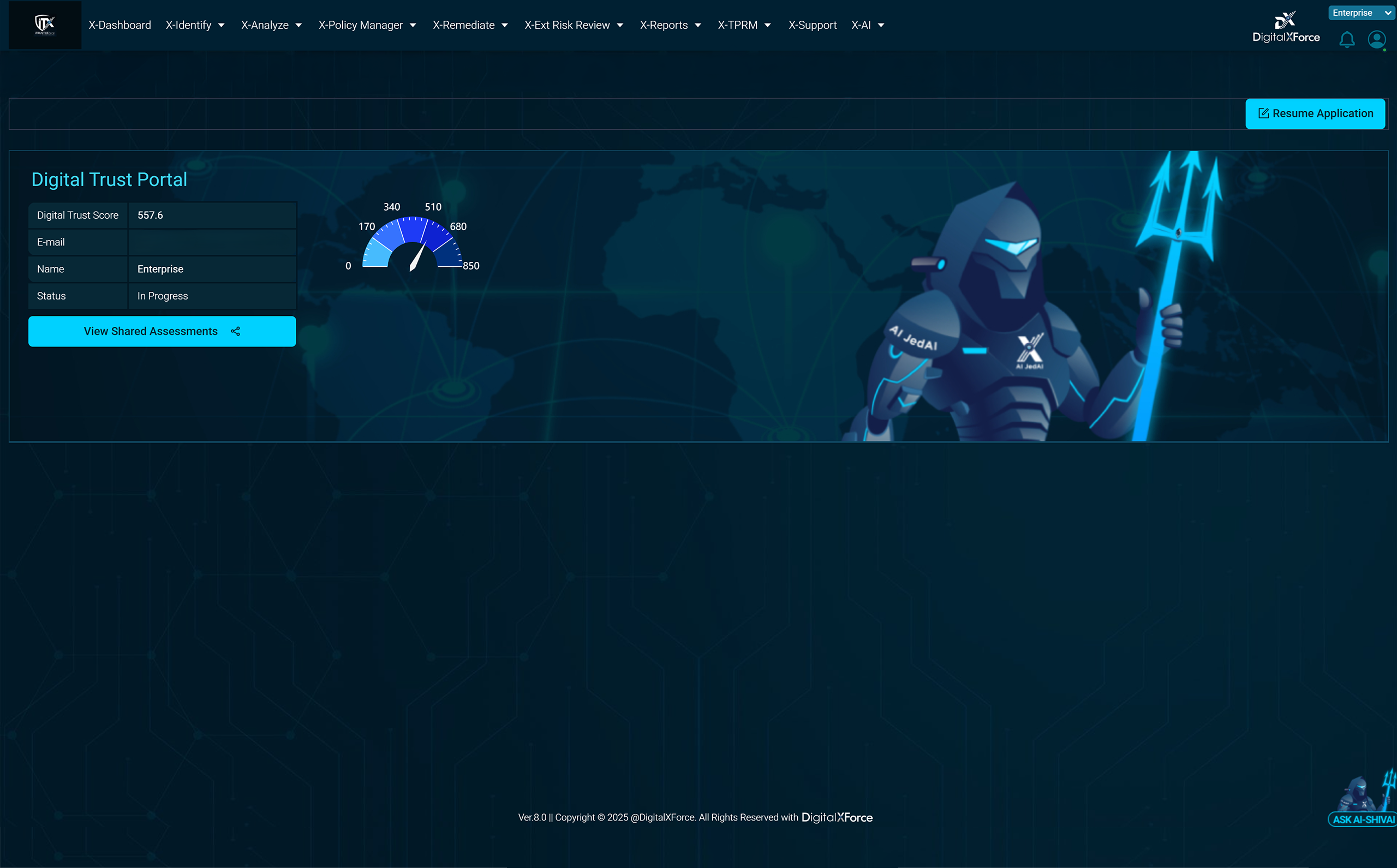
DigitalXForce was named a Leader in the IDC MarketScape: Worldwide Third-Party Risk Management Software 2026 Vendor Assessment and a Leader in the IDC MarketScape: Worldwide Governance, Risk, and Compliance Software Vendor Assessment, 2025. Read IDC’s research on DigitalXForce.
DigitalXForce also publishes its own data in the Security Posture Benchmark 2026.
Recognition and certifications
- Leader, IDC MarketScape for GRC Software, 2025
- Leader, IDC MarketScape for Third-Party Risk Management Software, 2026
- 4.7 out of 5 from 17 ratings on Gartner® Peer Insights™
- TX-RAMP Level 2 certified, TX1760681
- SOC 2 Type 2 report, October 2026
- Signer of the CISA Secure by Design pledge


Why risk programs still cannot say whether a control works today
Most risk teams are asked to prove continuous oversight with the staff they had for annual reviews. An assurance gap is the time, or the set of controls, for which an organization has no current evidence that a control still operates as expected. In a mid-size or large organization, the assurance gap opens in three places.
Point-in-time evidence goes stale between audits
External audits, certifications and internal audit run on cycles, and periodic assessment is still necessary. Evidence gathered for one of those cycles shows that a control existed on the day the file was collected. It does not show whether the control kept working in the weeks that followed. The assurance gap shows up when the board asks about a control that passed the last audit and nobody has evidence from after that date.
Governance, risk and compliance (GRC) and security telemetry keep separate records
Security tools show the live state of a control, and the GRC record shows what someone attested about it. The security, compliance and risk teams each keep their own version of that control, and the versions drift apart. Control owners hand over the same evidence for the audit, for the security review and again for a customer questionnaire.
Suppliers, AI and recovery plans sit outside the control record
Vendor risk in many programs still rests on questionnaires, so a change at a critical supplier reaches the risk team late. Many teams also run AI models, copilots and agents that nobody has added to an inventory. Business continuity and recovery plans are often written without a link to the live status of the controls they depend on.
How DigitalXForce works, from monitoring to Digital Trust
Monitoring tells you something changed.
Continuous Monitoring observes relevant systems, telemetry, signals and changes. Continuous Control Monitoring (CCM) monitors conditions, evidence and signals associated with controls. CCM is a capability within Continuous Control Assurance.
Continuous Control Assurance determines whether your controls are actually effective.
DigitalXForce continuously collects evidence, validates controls and identifies where expected control performance and actual conditions diverge.
Enterprise TRiSCM connects assurance to enterprise risk.
Control assurance is connected to security posture, compliance, enterprise risk, third parties, AI systems and operational resilience rather than evaluated in isolation.
Digital Trust translates that evidence into an enterprise-level outcome.
DigitalXForce gives security, risk and business leaders a continuously informed view of whether the digital environment can be trusted, where assurance is weakening and where action is required.
What each risk leader gets from DigitalXForce
DigitalXForce serves mid-size and large organizations, and the CISO, the compliance lead, the third-party risk lead and the CFO each need something different from the same control record.
For the chief information security officer (CISO)
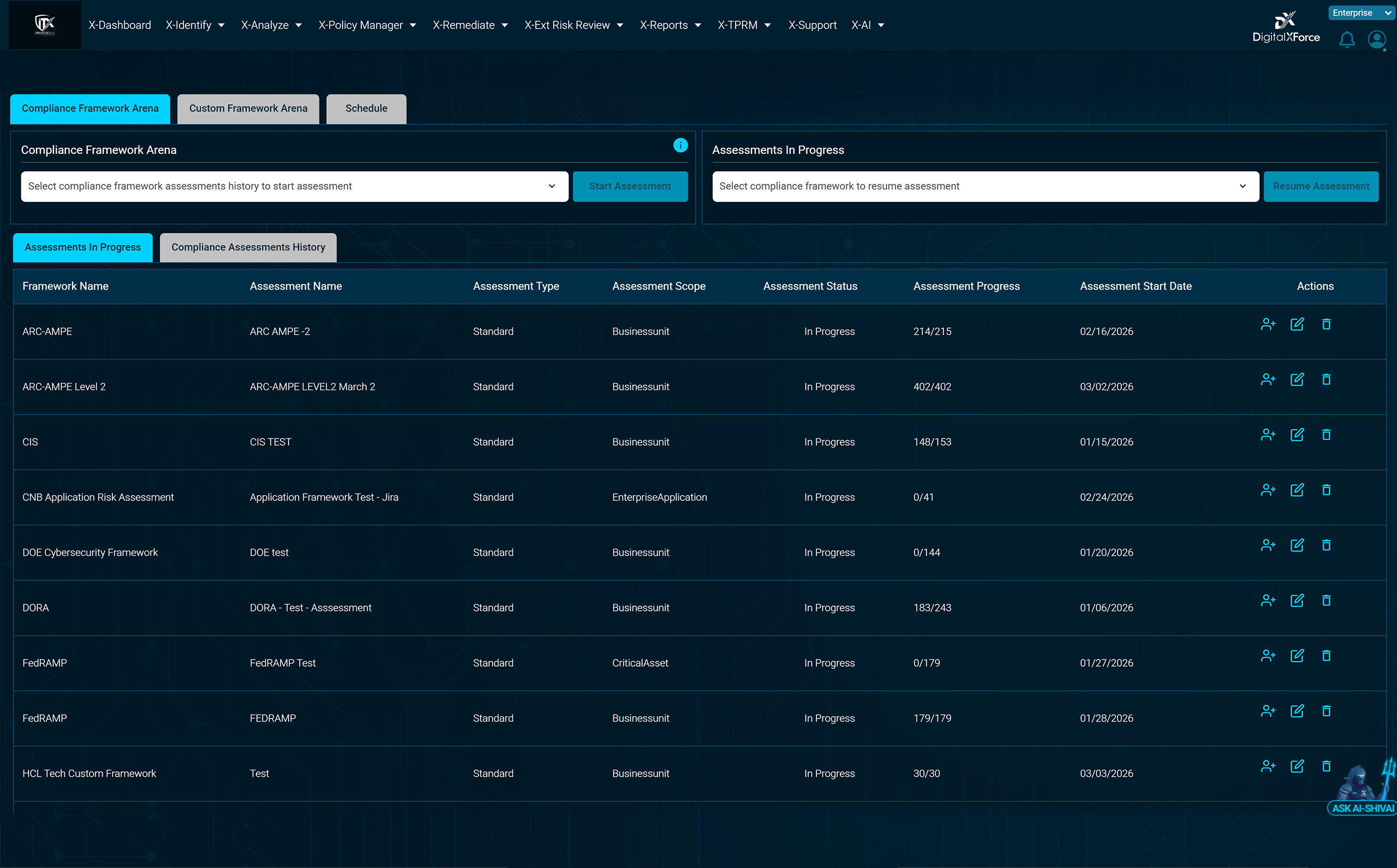
All 15 DigitalXForce modules share one data layer, so a CISO sees the same result for a control in the compliance view, the posture view and the risk register. X-ROC, the XForce Risk Operations Center, turns each failed control into an alert with its evidence attached and ranks it by quantified business impact instead of by a severity label alone. The finding closes only when a retest passes.
For the head of GRC or compliance
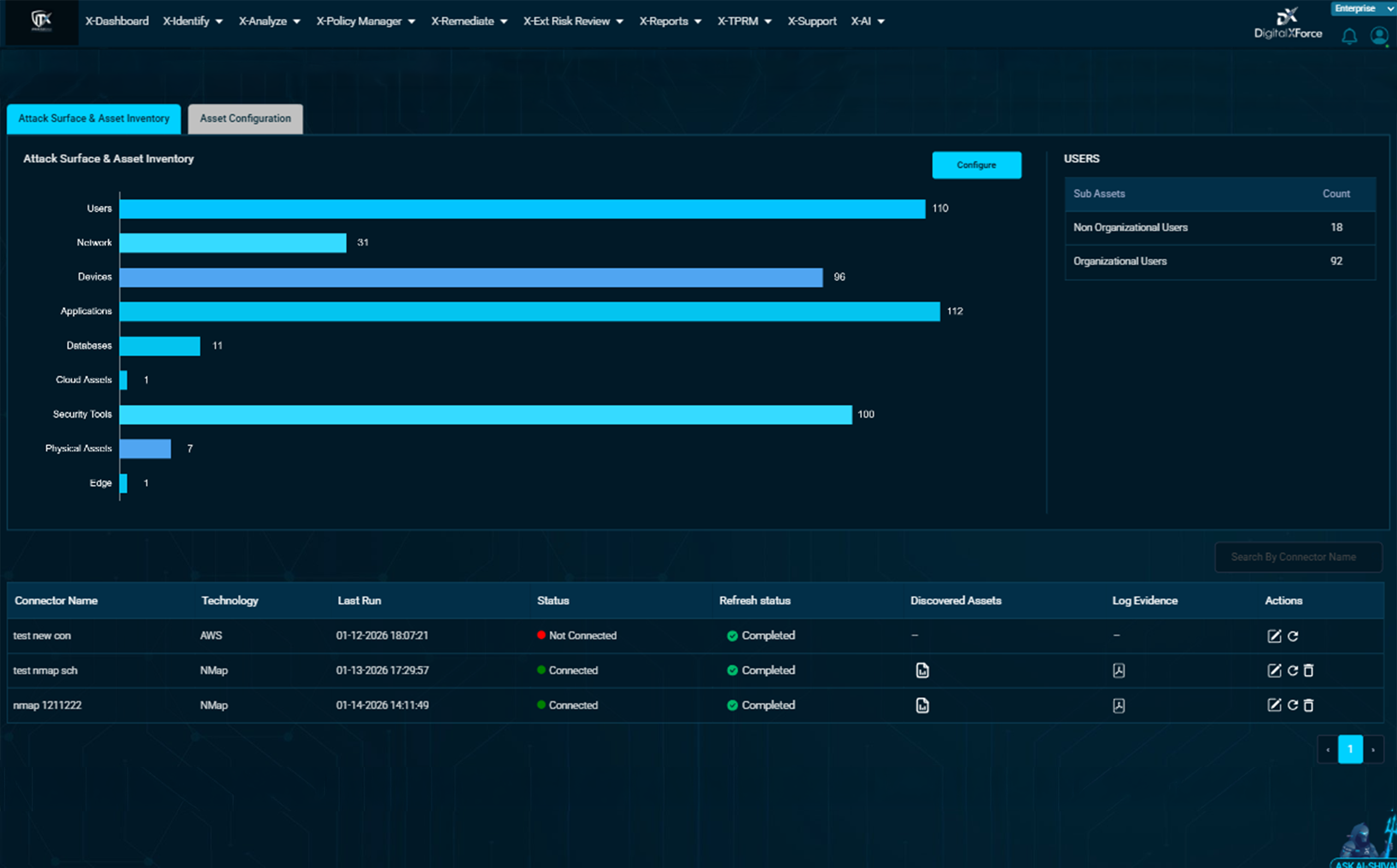
Continuous Control Assurance (CCA) uses evidence, monitoring and validation to determine whether controls continue to operate as expected. DigitalXForce maps each control once to 50+ compliance frameworks, so the evidence gathered for one control counts in every framework that control is mapped to. Every test result is stored with the evidence it read and a timestamp, and auditors review that evidence in the same platform the team used to prepare for the audit.
For the head of third-party risk
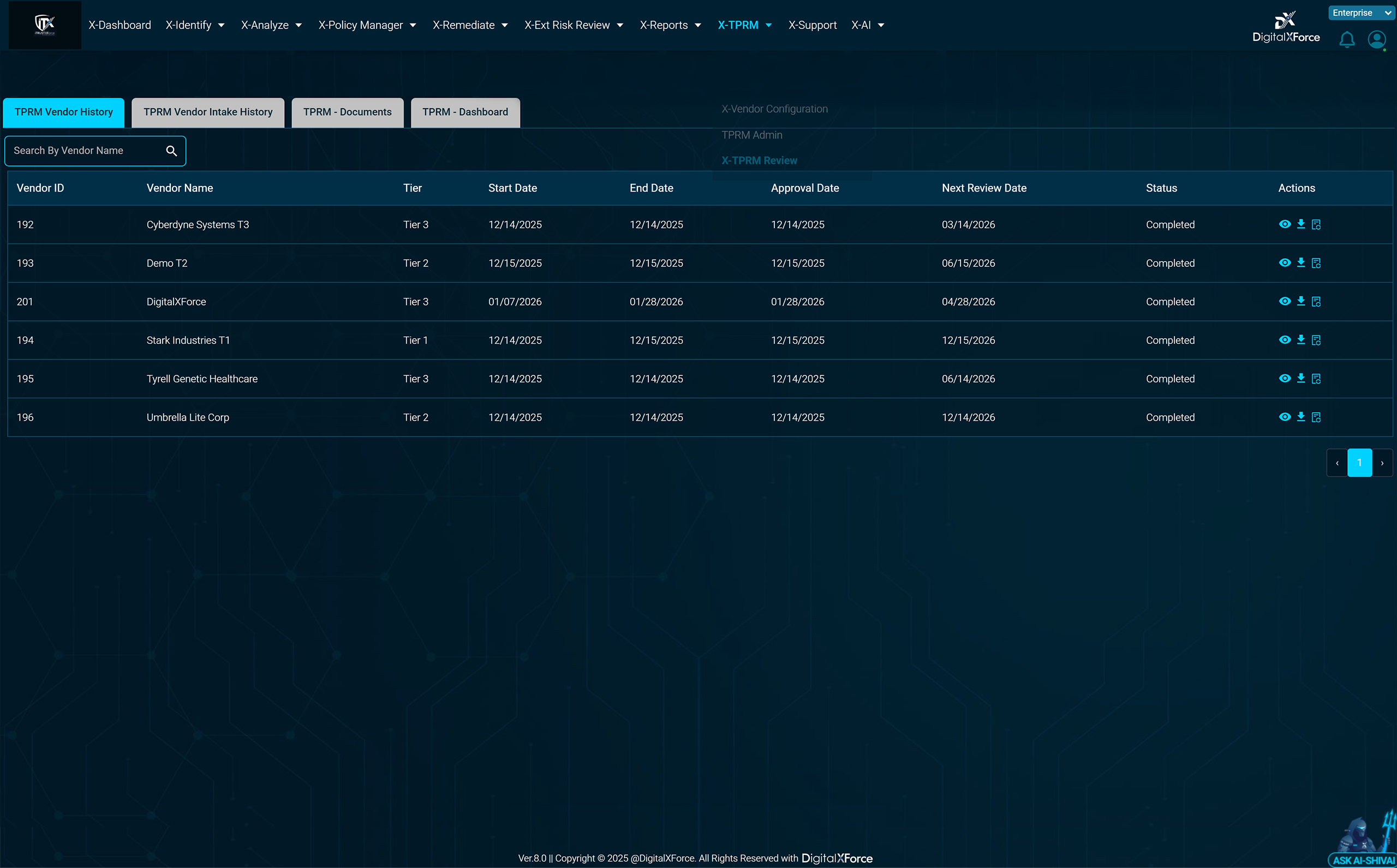
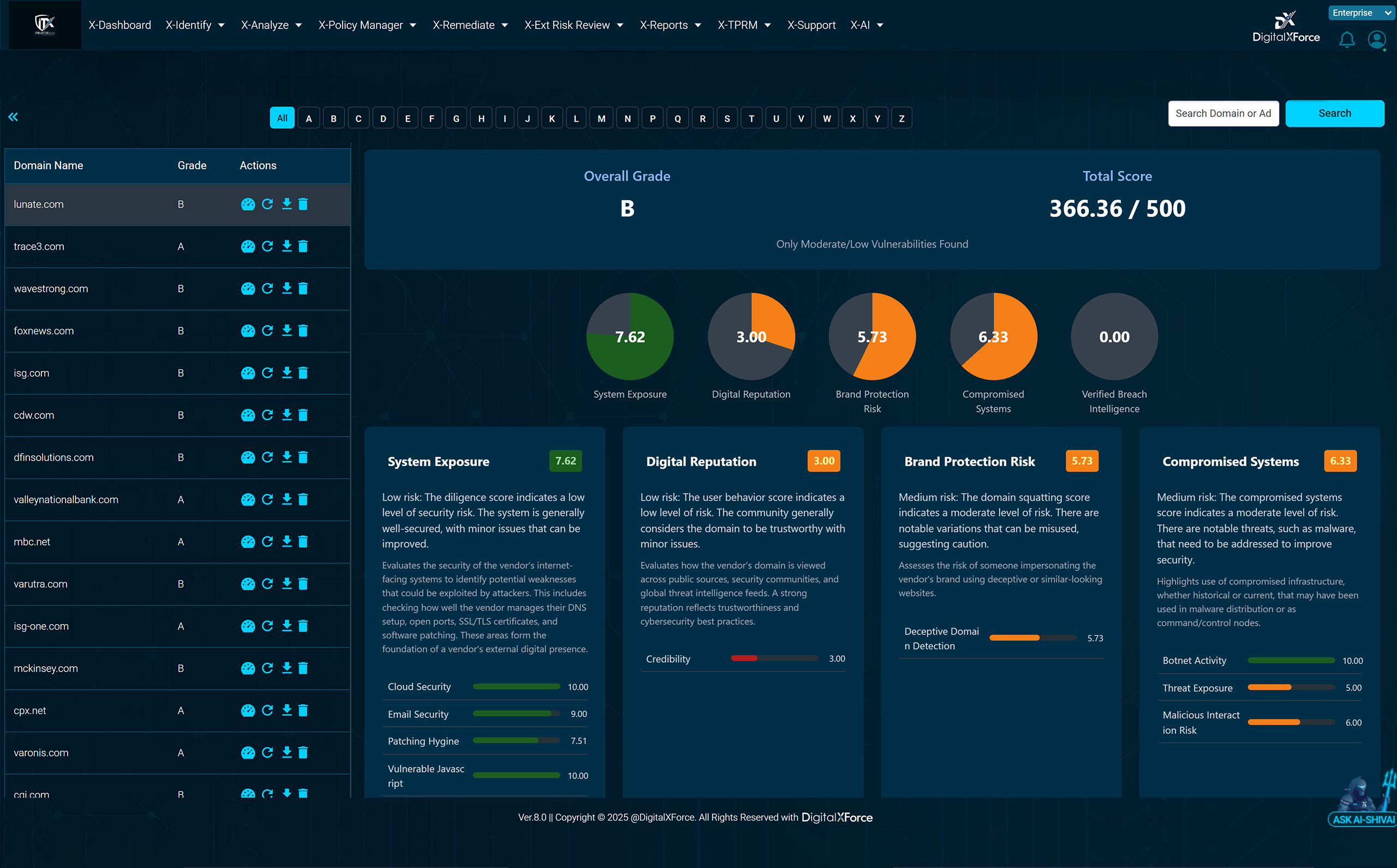
DigitalXForce sorts suppliers into Tier 1 Critical, Tier 2 High and Tier 3 Commodity. The tier decides how much evidence DigitalXForce reads and how often. External Risk View watches suppliers in every tier from the outside and needs no agent, no questionnaire and no cooperation from the supplier. When a supplier reports a breach, AI JedAI maps it to the services and data that depend on that supplier.
For the board or chief financial officer (CFO) sponsor
Cyber risk quantification (CRQ) quantifies a cyber risk in dollars, giving the financial loss the organization would face if the risk materializes. XForce GPT drafts the board narrative from AI JedAI’s analysis, and an analyst reviews it before anyone relies on it. Every figure in a board report traces back to the tool it came from, the control it belongs to and the date it was read.
What the DigitalXForce Platform Covers
AI-native rather than retrofitted, DigitalXForce validates controls continuously against live telemetry instead of annual evidence requests, and it unifies GRC with security posture management in one data layer.
| Capability | What DigitalXForce provides |
|---|---|
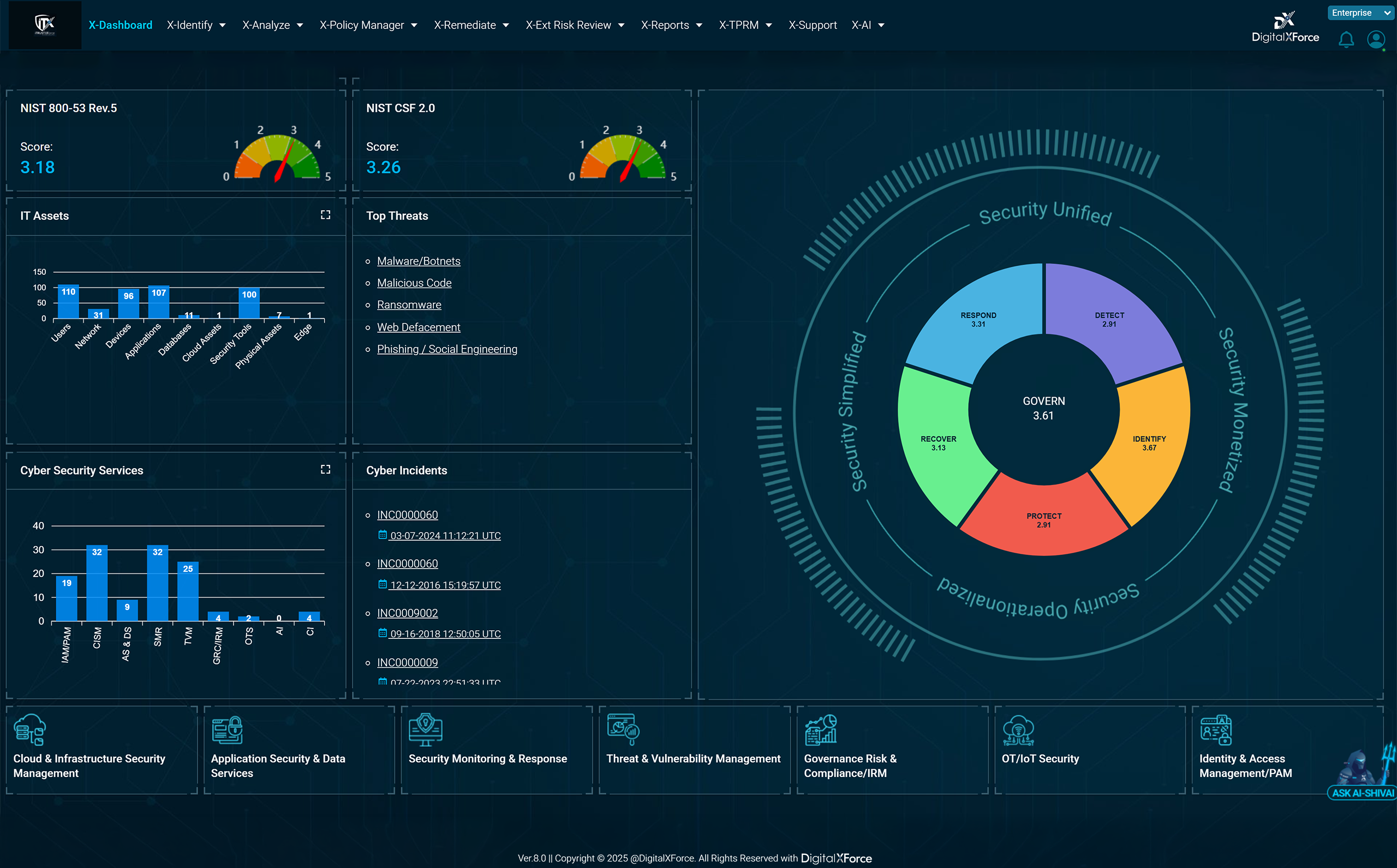
| Attack Surface Generation | Attack Surface Manager (ASM) discovers and inventories assets across nine asset classes, IT and OT, without agents. |
| Security Blueprint Generation | The Automated Security Blueprint Generator produces security blueprints from your own environment data. |
| Security Policy, Plan, Standards & Procedures Generation | AI-Powered Policy and Compliance Management reviews and generates policies, standards and plans. |
| Integrated Risk Management | AI-Powered Risk Management and Automated GRC combines continuous control testing with three assessment modalities, mapped once to 50+ frameworks. |
| Supported Audit & Compliance Standards | Controls are mapped once to 50+ frameworks, and the full list is available on request. |
| Security Risk Assessment | AI-Powered Enterprise Security Risk and Posture Management (ESRPM) runs configuration checks and operational insights across IAM, SIEM, cloud, OT/IoT, SecOps and enterprise systems. |
| Risk Quantification & Prioritization | AI-Powered Enterprise Risk Management (ERM) scores risks with AI and records inherent and residual risk, likelihood, impact and treatment. |
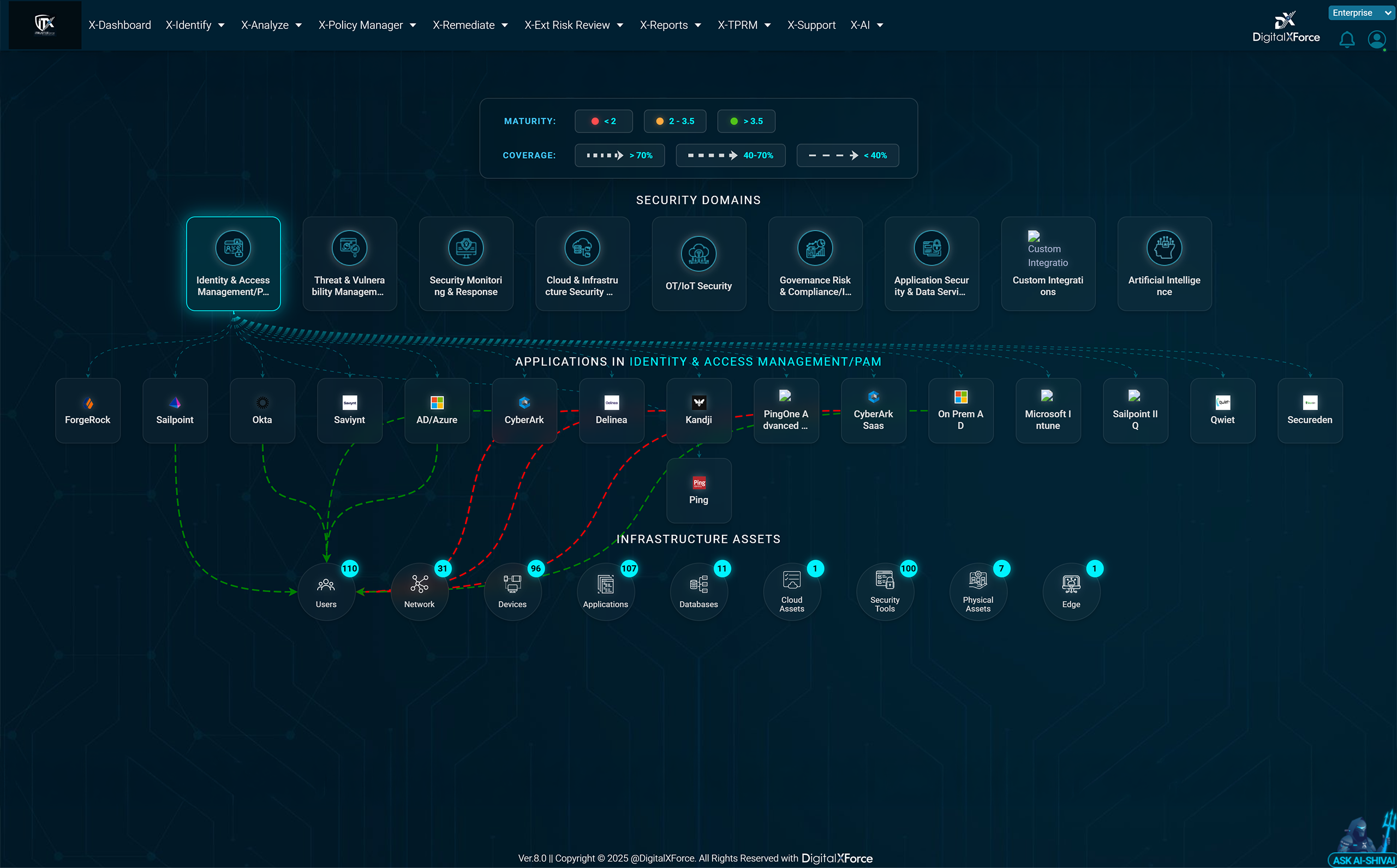
| Native Integrations | The DigitalXForce integration layer offers 250+ technology integrations that connect through API. |
| Security Tool Integrations | Connectors read control evidence from cloud, identity, endpoint, vulnerability and ITSM tools. |
| Cyber Insurance Application Processing | Cyber Risk and Liability Insurance structures risk quantification for underwriting and renewal, turning posture data into the inputs insurers require. |
| Generative AI | AI JedAI analyzes control evidence and recommends remediation, and XForce GPT writes the narratives and board reports. |
| Real Time Board Level Metrics & Reports | X-ROC provides real-time risk alerting, and XForce GPT writes the board-ready risk reports from AI JedAI’s analysis. |
| Third Party Risk Management | AI-Powered Third-Party Risk Management (TPRM) covers onboarding, questionnaires, AI-assisted document analysis and a three-tier risk model, with External Risk View monitoring suppliers from the outside. |
| Business Resilience / Crisis Simulation | Business Continuity and Operational Resilience (X-BCOR) ties business impact analysis and recovery plans to live control coverage, with scenario planning. |
| Frameworks | Each control is mapped once to 50+ compliance frameworks. |
Supports 50+ Compliance Frameworks and 250+ Technology Integrations
































Core Efficiency Gains
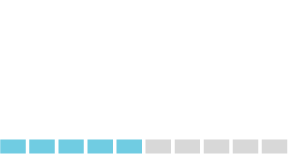
These efficiency gains are reported by DigitalXForce customers.

AI-Powered Efficiency
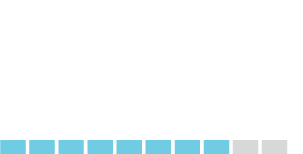
These efficiency gains are reported by DigitalXForce customers.
- 50%
Security Control Testing
- 50%
Evidence Generation
- 80%
Compliance Reporting
- 80%
Artifact Review
- 60%
Unified Compliance Framework
- 80%
Board/Executive Reporting
- 80%
Unified GRC Dashboard
- 60%
Audit Benchmarking
Latest from DigitalXForce
FAQ
DigitalXForce is an AI-powered GRC platform for Enterprise TRiSCM, Trust, Risk, Security and Compliance Management, a category DigitalXForce defined. It converges automated GRC and security posture management (TRiSCM = Automated GRC + X-SPM) into one real-time system that delivers Continuous Control Assurance, risk quantification, and digital trust.
TRiSCM, or Trust, Risk, Security and Compliance Management, is a category of enterprise software defined by DigitalXForce that converges automated governance, risk and compliance with security posture management into a single real-time system, replacing periodic control validation with continuous control assurance. The formula is TRiSCM = Automated GRC + X-SPM.
CISOs, risk leaders, compliance teams and boards use DigitalXForce at organizations that need continuous, evidence-based answers about security and compliance. The full platform serves mid-size and large organizations across finance, healthcare, technology, government and more. DigitalXForce Lite is the same platform hosted in the cloud, for any organization that prefers cloud hosting.
Three things: it is AI-native rather than retrofitted, it validates controls continuously against live telemetry instead of annual evidence requests, and it unifies GRC with security posture management in one data layer. Recognition includes Leader placement in the IDC MarketScape for Governance, Risk, and Compliance software, 2025, and in the IDC MarketScape for Third-Party Risk Management software, 2026.
The platform maps controls to 50+ compliance frameworks, including NIST CSF, ISO 27001, SOC 2, GDPR, HIPAA, PCI DSS, DORA, and NIS2, and connects to 250+ technology integrations across cloud, identity, endpoint, vulnerability, and ITSM.
Request a demo. You will see Automated GRC, Enterprise Security Risk and Posture Management (ESRPM) and X-ROC, the XForce Risk Operations Center, working on use cases like yours, end to end, with your questions answered live.
See DigitalXForce on your own frameworks and systems
Each demo is a 30 minute walkthrough scoped to your environment, and our team replies within 1 business day.